




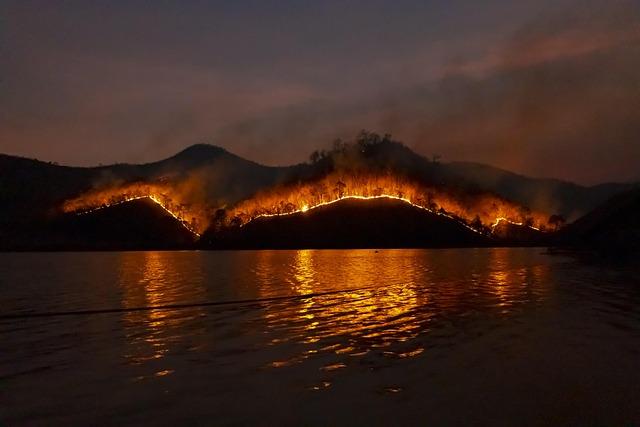
Wildfires have surged across Europe, with Spain and France at the forefront of a growing crisis as they battle major blazes threatening communities, wildlife, and natural landscapes. The United Nations has sounded the alarm, highlighting the escalating scale and intensity of these fires amid record-breaking heat and prolonged drought conditions. This article examines the current wildfire situation, the emergency response efforts underway, and the broader implications for climate resilience across the continent.
Wildfires Devastate Southern Europe Amid Prolonged Heatwave
Heatwaves gripping Southern Europe have ignited a series of devastating wildfires, overwhelming emergency services across Spain and France. With temperatures soaring beyond 40°C (104°F), dense forests and dry grasslands have become tinderboxes, fueling the rapid spread of flames. Authorities have been forced to evacuate thousands of residents in affected regions, while firefighting crews, aided by aerial water bombers, continue battling to contain the blazes. The scale of destruction is staggering, with entire villages threatened and vast swathes of natural habitat reduced to ashes.
Key impacts reported so far include:
- Over 15,000 hectares of forest lost across multiple regions
- Displacement of more than 7,000 residents
- Suspension of several train and road routes for public safety
- Launch of urgent international support appeals from affected countries
| Country | Hectares Burned | Evacuations | Active Fires |
|---|---|---|---|
| Spain | 9,500 | 4,200 | 12 |
| France | 6,000 | 3,000 | 8 |
Emergency Response Efforts Intensify in Spain and France
Authorities in Spain and France have rapidly deployed extensive firefighting resources as wildfires continue to escalate, threatening communities and natural reserves. In Spain, over 1,200 firefighters supported by aerial units are battling several large-scale blazes within the Canary Islands and mainland provinces. Meanwhile, French emergency teams are coordinating evacuations and using advanced tracking technology to monitor fire fronts in the southern regions, focusing efforts on safeguarding both towns and critical infrastructure.
Key response measures include:
- Mobilization of over 3,000 personnel across both countries
- Deployment of helicopters and water-bomber aircraft for air support
- Establishment of emergency shelters for displaced residents
- Collaboration between international firefighting units and local agencies
| Country | Firefighters Deployed | Aerial Units | Evacuated Residents |
|---|---|---|---|
| Spain | 1,200+ | 45 | 3,500 |
| France | 1,900+ | 60 | 4,200 |
Environmental Impact and Challenges of Containing Major Blazes
Across swathes of southern Europe, the mounting wildfires leave a trail of devastation far beyond smoldering forests. The intense blazes not only consume vast tracts of biodiversity-rich woodland but also threaten critical ecosystems. The subsequent loss of vegetation exacerbates soil erosion and diminishes the natural capacity of these areas to retain carbon, thus undermining long-term climate resilience. Communities downwind face severe air pollution, with plumes of smoke carrying harmful particulates that have been linked to respiratory illnesses. Emergency services grapple with accessing remote, rugged terrains while balancing containment efforts against risks to personnel.
Compounding these environmental stresses are the logistical and operational hurdles inherent in managing large-scale wildfires. Firefighters contend with rapidly shifting weather patterns, which can turn a controlled burn into a catastrophic event within minutes. The lack of comprehensive firebreaks, limited water resources, and stretched firefighting infrastructure pose significant challenges. Moreover, the increasingly frequent nature of these events demands innovations in monitoring technology and cross-border collaboration to enforce rapid response protocols.
- Soil degradation and loss of biodiversity due to prolonged heat and flame impact.
- Air quality deterioration from smoke and ash affecting millions.
- Strain on firefighting resources amidst growing incident scale and frequency.
- Climate feedback loops exacerbating future wildfire risks.
| Challenge | Impact | Mitigation Efforts |
|---|---|---|
| Remote terrain | Difficult access for firefighting teams | Increased aerial support and drones |
| Water scarcity | Limited availability during peak fire season | Water reservoir management and transport logistics |
| Rapid weather changes | Unpredictable fire behavior | Advanced fire modeling and real-time monitoring |
Strategies for Strengthening Future Wildfire Preparedness and Prevention
To combat the escalating wildfire crisis, authorities and experts emphasize the integration of advanced monitoring technologies and community engagement. Employing satellite surveillance combined with real-time drone feeds can vastly improve early detection, enabling quicker and more targeted responses. Equally important is fostering community resilience through public education campaigns that encourage household preparedness, responsible land use, and clear evacuation plans.
Investment in infrastructural upgrades and ecosystem management also plays a critical role. Key strategies include:
- Creating firebreak zones through controlled vegetation clearance to slow fire spread
- Enhancing water resource management for firefighting capabilities during peak seasons
- Collaborative cross-border coordination to leverage shared knowledge and resources across European nations
- Implementing stricter regulations on land development in high-risk zones
| Preparedness Element | Current Status | Recommended Action |
|---|---|---|
| Early Warning Systems | Moderate coverage | Expand drone surveillance networks |
| Community Training | Limited reach | Implement nationwide fire safety education |
| Firebreak Maintenance | Patchy and irregular | Continuous vegetation management |
| International Collaboration | Ongoing but intermittent | Establish formal EU wildfire task force |
Key Takeaways
As wildfires continue to rage across Spain, France, and other parts of Europe, authorities remain on high alert, deploying extensive firefighting resources to contain the blazes and safeguard communities. The surge in these devastating fires underscores the urgent need for coordinated international efforts to address climate change and implement more effective prevention strategies. With increasing temperatures and prolonged dry conditions expected in the coming months, the situation remains critical, demanding sustained vigilance and support from governments, emergency services, and citizens alike.


