




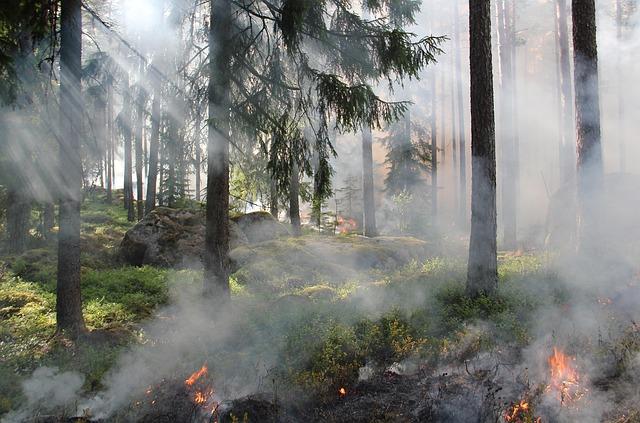
In recent weeks, Spain has grappled with devastating forest fires that have ravaged vast expanses of its woodlands, reviving long-standing political tensions among regional governments and national leaders. As flames consume thousands of hectares and threaten communities, the crisis has reignited debates over climate policy, land management, and emergency response strategies. The fires not only pose an environmental disaster but also serve as a flashpoint for differing political ideologies regarding Spain’s approach to natural disasters. As the smoke clears, the implications of these catastrophic events are expected to resonate far beyond the immediate aftermath, shaping the future of Spanish politics and environmental policy.
Impact of Forest Fires on Regional Governance and Policy
The recent spate of massive forest fires in Spain has not only devastated natural landscapes but also reignited longstanding political tensions among regional governments. As flames consumed thousands of hectares across multiple regions, political leaders were quick to respond, highlighting the need for coordinated disaster management policies. Local governments have accused the central administration of failing to provide adequate resources and support during crises, exacerbating existing frustrations. In cities like Valencia and Andalusia, residents are vocal about the inefficiencies in handling fire prevention efforts and response plans.
The aftermath of these catastrophic events is forcing a reevaluation of governance structures and environmental policy frameworks. With climate change intensifying the frequency and severity of forest fires, regional leaders are advocating for enhanced collaboration on strategies that prioritize prevention over reactive measures. Key points being discussed include:
- Joint emergency response initiatives
- Increased funding for forest management
- Improved communication between local and national authorities
- Public education campaigns on fire safety
As these fires highlight the vulnerabilities in Spain’s governance, a table summarizing regional fire policies could illuminate the disparities in policy effectiveness:
| Region | Current Policy Measures | Effectiveness Rating |
|---|---|---|
| Valencia | Increased patrols, aerial support | High |
| Andalusia | Community training programs, rapid response units | Moderate |
| Catalonia | Investment in forest preservation | High |
Environmental Consequences and the Urgency for Climate Action
The recent surge of massive forest fires in Spain has ignited not only ecological destruction but also fierce political debates surrounding environmental policies. As flames engulf vast stretches of land, the air quality deteriorates, impacting health and livelihoods. The fires have sparked calls for immediate action, as communities face the dual threat of ecological devastation and socio-economic instability. Key contributors to these catastrophic events include:
- Climate change-induced droughts
- Increased temperatures and prolonged heat waves
- Deforestation and land mismanagement
Current political responses have been insufficient, often falling prey to partisan divisions, which hinder collaborative efforts to address the root causes of these disasters. Stakeholders from various sectors must unite to combat this escalating crisis, emphasizing sustainable practices and a rapid transition to renewable energy sources. The urgency for policy reform has never been clearer, especially in light of the following potential strategies:
| Proposed Strategy | Expected Outcome |
|---|---|
| Strengthening forest management | Reduced fire risk |
| Investing in renewable energy | Lower carbon emissions |
| Enhanced community engagement | Increased resilience |
Public Sentiment and Political Polarization: A Nation Divided
In the wake of massive forest fires ravaging Spain, political divisions have resurfaced with alarming intensity. The government’s response has drawn both fervent support and vehement criticism, reflecting a nation grappling with deep ideological divides. Critics argue that the administration has failed to invest adequately in fire prevention and response strategies, leading to devastating impacts on local communities and ecosystems. Key points in the contention include:
- Delayed Emergency Response: Accusations of bureaucratic ineptitude have emerged, painting a picture of a state ill-prepared for natural disasters.
- Resource Allocation: Discussions about the prioritization of funding for climate change initiatives versus immediate firefighting efforts remain contentious.
- Public Safety Calls: Citizens voice frustration over the perceived disconnect between local needs and national policy decisions.
The rising tensions have been amplified by social media platforms, where misinformation spreads rapidly, further polarizing public opinion. Regional parties are seizing the moment to claim their positions, often exploiting the crisis for political gain. This has led to an unsettling atmosphere where cooperation between factions seems increasingly out of reach. A survey conducted recently highlights the divergence in public sentiment regarding responsibility and solutions:
| Responsibility | Percentage of Respondents |
|---|---|
| Government | 65% |
| Environmental Factors | 20% |
| Local Communities | 15% |
This data underscores the urgent need for inclusive dialogue and effective policy-making that transcends partisan lines, as citizens demand accountability and action in the face of an escalating crisis. The specter of political polarization looms large, as the wildfires not only wreak havoc on the landscape but also ignite a broader struggle for vision and leadership in an increasingly fragmented democracy.
Strategies for Effective Disaster Management and Prevention
To combat the devastating impact of recurrent forest fires in Spain, a proactive approach to disaster management and prevention is essential. Key strategies include the implementation of early warning systems that utilize advanced technology to detect fires in their infancy, allowing for rapid response. Additionally, community engagement is crucial; involving local populations in fire watch programs can enhance awareness and preparedness. Implementing controlled burns and forest thinning techniques also plays a significant role in reducing fuel loads, thereby mitigating the intensity of potential wildfires.
Financing and resource allocation must prioritize sustainable practices. Government investments in infrastructure improvements, such as the establishment of firebreaks and the upgrade of firefighting equipment, can significantly reduce the vulnerability of at-risk areas. Collaborative efforts among government agencies, non-profits, and local communities create a comprehensive framework for disaster preparedness. A recent study highlighted the effectiveness of local volunteer brigades in influencing the overall responsiveness of firefighting efforts during peak fire seasons, underscoring the power of grassroots mobilization.
To Wrap It Up
In conclusion, the resurgence of devastating forest fires in Spain underscores the urgent need for a comprehensive and coordinated response to climatic and environmental challenges. As political tensions flare amidst the struggle for accountability and effective crisis management, it remains crucial for both government leaders and citizens to prioritize sustainable practices and robust emergency preparedness. The ongoing debates reflect deeper implications for Spain’s future—where the intersection of environmental policy and political discourse will play a pivotal role in shaping a resilient society. As the country grapples with the aftermath of these natural disasters, the path forward will undoubtedly require collaboration, innovation, and a commitment to safeguarding both human and ecological health for generations to come.


