




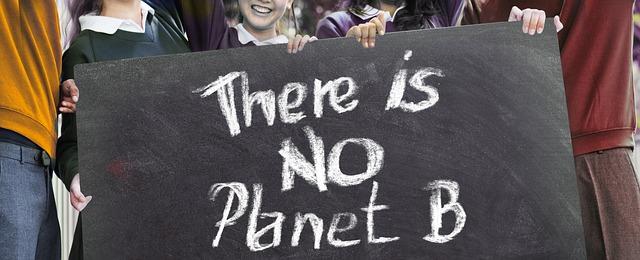
As Spain embarks on the new school year, the education sector is already facing significant unrest, with strikes and protests erupting nationwide. Teachers, staff, and unions are voicing their concerns over working conditions, pay, and educational reforms, raising tensions across the country. This wave of industrial action threatens to disrupt the academic calendar and highlights the growing challenges within Spain’s public education system. The unfolding situation has sparked widespread debate among policymakers, educators, and families, as the government seeks solutions to stabilize schools and address the mounting grievances.
Spain’s New School Year Marred by Widespread Strikes and Protests
Teachers, students, and parents across Spain have taken to the streets as the new academic year begins, resulting in widespread disruptions in schools nationwide. The protests are fueled by grievances over insufficient funding, inadequate infrastructure, and demands for smaller class sizes to improve the quality of education. Many educators have expressed frustration over stagnant wages and increasing workloads, prompting unions to call for coordinated strikes that have paralyzed several regional school systems.
Key demands from the protesters include:
- Increased government investment in public education
- Reduction of student-to-teacher ratios
- Improved school facilities and resources
- Better support for special education programs
- Enhanced mental health services within schools
| Region | Strike Duration | Impact Level |
|---|---|---|
| Catalonia | 3 weeks | High |
| Andalusia | 2 weeks | Moderate |
| Madrid | 1 week | High |
| Valencia | Ongoing | Moderate |
Government officials have pledged to engage in dialogue with union representatives to address the crisis, though no immediate solutions have yet been reached. Meanwhile, families face ongoing uncertainty as the strikes have led to numerous class cancellations and rescheduling challenges, sparking debate on education priorities amidst economic constraints.
Key Issues Driving Teacher Unrest and Student Demonstrations
Across Spain, teachers and students are rallying due to a multitude of concerns that spotlight persistent issues within the education system. Budget cuts have diminished resources and increased classroom sizes, straining educators’ ability to provide quality instruction. Additionally, many teachers are demanding better salaries and working conditions, citing insufficient pay that fails to reflect their workload or professional expertise. The rise in temporary contracts and job insecurity adds to the unrest, with unions urging for more permanent positions and greater employment stability.
Students, meanwhile, are mobilizing to protest against curriculum reforms they argue lack relevance and inclusivity, as well as against the inadequate investment in school infrastructure and technology. Calls for a more participatory approach in educational policy-making have grown louder, with demands for transparent dialogue between government officials, educators, and pupils. Below is an overview of the leading issues fueling the protests:
- Insufficient funding for schools and teacher salaries
- High student-to-teacher ratios impacting learning quality
- Job precarity among teaching staff
- Controversial curriculum changes lacking stakeholder input
- Deficient school facilities and outdated educational resources
| Stakeholder | Primary Concern | Demands |
|---|---|---|
| Teachers | Wage stagnation, job insecurity | Salary increases, permanent contracts |
| Students | Outdated curriculum, poor facilities | Curriculum reform, infrastructure upgrades |
| Unions | Lack of dialogue and transparency | Inclusion in policy decisions |
Impact of Educational Disruptions on Families and Academic Calendars
The mounting wave of strikes and protests at the start of the academic year has profoundly disrupted both family routines and the traditional academic calendar. Parents across Spain find themselves scrambling to adjust work schedules and childcare arrangements, placing significant strain on households already managing post-pandemic challenges. Many families report difficulties balancing remote working demands with providing supervision and support for children during intermittent school closures and delayed openings. This uncertainty forces parents to rethink daily logistics, amplifying stress levels and impacting overall family well-being.
From an institutional perspective, schools are grappling with altered timetables, increased absenteeism, and the logistical headache of rescheduling exams and academic activities. The disruptions have necessitated flexible policies such as:
- Extended academic terms to cover lost instructional time
- Hybrid learning models to accommodate intermittent access
- Reassessments of curriculum pacing to focus on essential competencies
| Disruption Type | Impact on Families | Academic Adjustments |
|---|---|---|
| Strike Days | Childcare challenges, missed work | Cancelled classes, rescheduling |
| Exam Postponements | Anxiety, altered study plans | New timetables, flexible formats |
| School Closures | Remote learning dependency | Hybrid lessons, digital tools |
Strategies for Resolving Conflicts and Restoring Classroom Stability
In the wake of ongoing strikes and protests disrupting education across Spain, school administrators and policymakers are turning to proactive approaches to mitigate tensions and rebuild an environment conducive to learning. Central to these efforts is fostering open communication channels between educators, unions, and government officials, ensuring all parties have a platform to voice concerns and collaborate on viable solutions. Mediation sessions and conflict resolution workshops are being introduced in many regions as a means to address grievances constructively while preventing escalation.
Schools are also implementing practical measures tailored to restore daily stability amid unrest. These include:
- Flexible scheduling: Adjusting timetables to accommodate teacher absences without compromising curriculum goals.
- Support services: Providing counseling and guidance to students affected by the disruptions.
- Engagement initiatives: Encouraging student and parent participation in dialogue forums to bridge gaps between the community and educational institutions.
| Strategy | Expected Outcome |
|---|---|
| Mediation Sessions | Reduced teacher-government tensions |
| Flexible Scheduling | Continuity in learning despite strikes |
| Student Engagement Forums | Improved community trust |
To Wrap It Up
As Spain embarks on the new academic year, the unfolding strikes and widespread protests highlight the deep-seated challenges facing its educational system. With teachers and unions steadfast in their demands, the government faces mounting pressure to address grievances and restore stability. The developments in the coming weeks will prove crucial in shaping the future of education across the country and determining the balance between policy reforms and labor rights. SpanishNewstoday.com will continue to monitor the situation closely, providing timely updates on this evolving story.


