




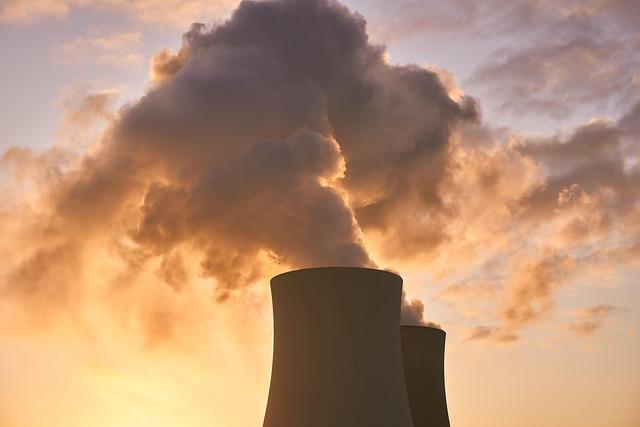
Spain has announced the extension of operations at the Almaraz nuclear power plant through 2030, marking a significant development in the country’s energy policy. The decision aims to secure stable electricity supply amid ongoing debates over energy sustainability and transition. This move underscores Spain’s reliance on nuclear energy as it navigates the challenges of reducing carbon emissions while maintaining grid stability.
Spain Approves Extension of Almaraz Nuclear Plant Operations Through 2030
In a decisive move aimed at securing Spain’s energy supply and meeting climate targets, the government has authorized the continuation of operations at the Almaraz nuclear power plant until 2030. This extension responds to increasing concerns over energy security and rising electricity costs amid global market volatility. The Almaraz facility, which has been a cornerstone of Spain’s nuclear energy production since the 1980s, will play a critical role in ensuring stable, low-carbon electricity generation through the coming decade.
Key points regarding the extension include:
- Operational lifespan extended by seven years beyond the original planned shutdown date.
- Government oversight to intensify safety protocols and environmental monitoring.
- Potential investment in modernization and upgrades to enhance efficiency and safety.
- Alignment with Spain’s broader energy strategy focused on reducing fossil fuel dependency.
| Aspect | Details |
|---|---|
| Plant Location | Almaraz, Cáceres, Extremadura |
| Original Shutdown Year | 2023 |
| New Shutdown Year | 2030 |
| Energy Output | Approximately 2,000 MW |
| Environmental Focus | Strengthened safety and emission controls |
Safety and Environmental Concerns Surrounding the Almaraz Plant Extension
Critics have raised significant safety issues related to the prolonged operation of the Almaraz nuclear plant beyond its original timeline. Concerns hinge on the aging infrastructure, with fears that extended use could increase the risk of mechanical failure or accidents. Local communities and environmental groups argue that the plant’s design, rooted in 1980s technology, may lack adequate safeguards against modern threats such as seismic activity and cyberattacks. The Spanish Nuclear Safety Council has pledged rigorous oversight, but skeptics question whether current protocols are sufficient to address evolving risks.
Environmental implications also occupy a central role in the debate. The extension is expected to keep radioactive waste generation steady, but disposal and long-term storage remain contentious topics. Opponents highlight the potential impact on the nearby Tagus River ecosystem, emphasizing the necessity for stringent water usage and cooling system monitoring to prevent thermal pollution. Key environmental concerns include:
- Radiation leakage risks affecting aquatic life and human health
- Thermal discharge altering local biodiversity
- Waste management challenges without permanent disposal solutions
| Concern | Current Status | Mitigation Measures |
|---|---|---|
| Structural Integrity | Regular inspections ongoing | Upgraded safety systems, frequent testing |
| Radioactive Waste | Accumulating storage on-site | Exploring new disposal technologies |
| Water Pollution | Strict discharge limits enforced | Enhanced cooling system monitoring |
Impact on Spain’s Energy Strategy and Carbon Emission Goals
The decision to extend the operation of the Almaraz nuclear plant until 2030 marks a significant pivot in Spain’s approach to its energy future. This extension is poised to play a critical role in bolstering Spain’s energy security by providing a stable and low-carbon power source as the country navigates the transition from fossil fuels to more sustainable alternatives. With nuclear power already supplying a considerable share of the nation’s electricity, the prolonged functionality of Almaraz will help mitigate potential gaps in the grid, particularly during peak demand periods.
This strategic move aligns closely with Spain’s commitment to hitting its carbon emission targets as outlined in its National Energy and Climate Plan (NECP). By sustaining nuclear energy production, Spain aims to:
- Reduce reliance on natural gas and coal-fired power plants
- Lower greenhouse gas emissions in the power generation sector
- Maintain competitive electricity prices through diversified energy sources
According to recent projections, the plant’s extension could contribute to a reduction of up to 10 million tons of CO2 emissions annually, solidifying the plant’s role as a cornerstone in Spain’s sustainable energy portfolio.
| Aspect | Impact |
|---|---|
| Energy Supply Stability | Enhanced through continuous nuclear output |
| Carbon Emissions | Potential reduction of 10 million tons annually |
| Renewable Transition | Supports integration by balancing intermittent energy |
| Economic Consideration | Limits dependence on imported fuels, stabilizes prices |
Recommendations for Monitoring and Enhancing Nuclear Plant Safety Standards
To uphold rigorous safety protocols at nuclear facilities like Almaraz, a multifaceted monitoring approach is essential. Authorities and plant operators must firmly prioritize real-time data analysis combined with enhanced sensor technologies to detect anomalies early. Continuous training programs for personnel on emergency protocols should be mandated, emphasizing simulation-based drills that reflect updated industry best practices. Partnerships with international regulatory bodies can further ensure adherence to evolving global safety standards, fostering transparent communication and knowledge exchange.
Technological upgrades must focus on both preventive and corrective systems. Implementation of advanced robotics and AI-driven diagnostics can significantly reduce human error and expedite fault detection. Investment in infrastructure resilience, such as seismic retrofitting and flood defenses, is equally critical to mitigate external risk factors. The table below outlines key performance indicators (KPIs) recommended to monitor nuclear plant safety effectively:
| KPI | Description | Target Threshold |
|---|---|---|
| Radiation Emission Levels | Continuous monitoring of emitted radiation within plant perimeter | Below regulatory limits at all times |
| Equipment Maintenance Frequency | Scheduled preventive maintenance completion rate | ≥ 95% on schedule |
| Emergency Response Drill Effectiveness | Assessment of simulation drills and responsiveness | ≥ 90% performance rating |
Wrapping Up
As Spain moves to extend the operational life of the Almaraz nuclear power plant through 2030, the decision underscores the country’s commitment to securing stable energy supplies amid a complex transition toward renewable sources. The extension aims to support energy reliability and affordability, even as environmental and safety concerns remain central to ongoing public and regulatory scrutiny. Stakeholders across the energy sector will be watching closely as Spain balances its short-term energy needs with its long-term decarbonization goals.


