


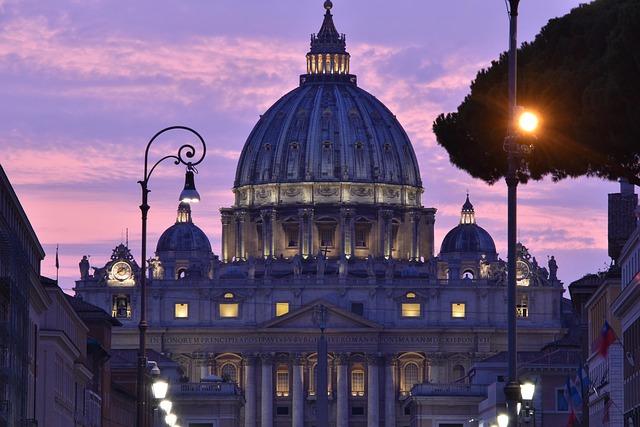
Pope Leo Begins Spain Visit with Praise for Government
In a historic visit that underscores the Catholic Church’s engagement with modern governance, Pope Leo has embarked on a three-day tour of Spain, commencing with a message of support for the Spanish government. During his initial address in Madrid, the pontiff lauded the nation’s leadership for its efforts to uphold social justice and promote unity in a time of political divisiveness. This visit marks a significant moment not only for the relationship between the Vatican and Spain but also for the Catholic Church’s role in addressing contemporary societal challenges. As Pope Leo sets the tone for this diplomatic excursion, observers are keen to see how this visit will shape ongoing discussions around faith, governance, and community in a rapidly changing Europe.
Pope Leo’s Address: A Call for Unity and Cooperation in Spanish Society
Pope Leo delivered a heartfelt address during his first public appearance in Spain, emphasizing the importance of unity among the diverse segments of Spanish society. His message resonated deeply with attendees, as he acknowledged the various cultural and regional identities that contribute to the tapestry of the nation. By advocating for dialogue and understanding, he urged Spaniards to work collaboratively towards common goals, fostering an environment where cooperation could thrive amidst the complexities of modern society.
Highlighting the government’s efforts in promoting social harmony, the Pope praised initiatives aimed at enhancing community engagement and bridging divides. He specifically mentioned the necessity of addressing key issues that affect all citizens, including:
- Education – Fostering inclusivity in schools
- Health – Ensuring access to quality healthcare for all
- Economy – Supporting local businesses and job creation
His address concluded with a call to action, inviting leaders and citizens alike to embrace their shared responsibilities and to cultivate a spirit of kinship that transcends political and cultural barriers.
The Role of Government in Faith and Morality: Insights from the Pope’s Visit
During his visit to Spain, Pope Leo emphasized the crucial connection between governance and ethical frameworks derived from faith. His remarks highlighted a collective responsibility shared between leaders and spiritual communities to foster environments conducive to moral integrity. The Pope argued that a government should not only maintain order but also promote values rooted in compassion and justice, essential for societal harmony. He noted that when faith and governance align, they can drive positive change, creating a community that respects human dignity and fosters a sense of belonging.
The implications of the Pope’s address resonate deeply within contemporary discussions on governance. He pointed out several key areas where public policy can reflect moral values:
- Social Welfare: Ensuring that the most vulnerable are cared for, reflecting a moral obligation.
- Education: Promoting ethical education as a means to cultivate future leaders with a sense of justice.
- Environmental Stewardship: Addressing climate change as a moral issue that affects everyone.
To illustrate the diverse reactions from political leaders and citizens, the following table summarizes key quotes from the event:
| Speaker | Quote |
|---|---|
| Pope Leo | “A government grounded in faith uplifts the human spirit.” |
| Minister of Faith | “We must act as custodians of moral values in our policies.” |
| Local Citizen | “It’s heartening to see faith and government working together.” |
Highlighting Cultural Heritage: The Significance of Spain in Catholicism
Spain’s rich religious tapestry has profoundly shaped the Catholic Church, making it one of the most significant countries within the faith. As the Pope commences his visit, he acknowledges the historical importance of Spain in the context of Catholicism, a nation where over 70% of the population identifies as Catholic. This enduring legacy is reflected in the numerous cathedrals, monasteries, and pilgrimage sites, each telling a story of deep-rooted faith, resilience, and cultural exchange. Notably, cities such as Santiago de Compostela and Toledo stand out as beacons of devotion, drawing pilgrims from around the world.
The Pope’s message emphasizes the role of government in fostering interfaith dialogue and promoting a spirit of unity among various religious communities. The relationship between the Spanish state and the Church has historically been intricate, underscoring Spain’s mission of tolerance and inclusivity. During his visit, he is expected to address key socio-political issues while also recognizing the contributions of Spanish clergy throughout history in global Catholic missions, evidenced by a legacy that includes both learned theologians and devoted missionaries.
| City | Significant Site | Historical Importance |
|---|---|---|
| Santiago de Compostela | Catedral de Santiago | Pilgrimage destination since Middle Ages |
| Toledo | Toledo Cathedral | Symbol of Christian-Muslim coexistence |
| Madrid | Royal Palace | Center of Spanish monarchy and faith |
Recommendations for Strengthening Church-State Relations in Modern Spain
In light of the recent visit by Pope Leo, there are several avenues Spain can explore to strengthen the relationship between church and state, fostering a more cohesive and inclusive society. One recommendation involves enhancing dialogue platforms that actively engage both religious leaders and government officials. This initiative could pave the way for collaborative discussions addressing common societal issues. Additionally, the establishment of community outreach programs that target social issues—such as poverty and education—can bridge the gap between ecclesiastical and governmental efforts, ensuring that both institutions work toward shared goals.
Moreover, incorporating ethical education into public school curricula can play a pivotal role in nurturing mutual respect among students from diverse backgrounds. By emphasizing tolerance and understanding of various faiths, the younger generation can grow to appreciate the unique contributions of religion in public life. Implementation timelines can be structured in a straightforward manner, allowing for measurable progress and adjustments as required.
| Action Item | Expected Outcome |
|---|---|
| Enhance dialogue platforms | Strengthened collaborative efforts |
| Launch community outreach programs | Improved social welfare |
| Integrate ethical education | Greater tolerance and understanding |
Final Thoughts
In conclusion, Pope Leo’s visit to Spain marks a significant moment in the relationship between the Vatican and the Spanish government. By praising the administration’s efforts in promoting social justice and community welfare, the Pontiff highlights the critical role of faith-based initiatives in addressing societal challenges. As the trip unfolds, it will be essential to observe how these discussions translate into action and foster deeper collaboration between religious and secular authorities. The coming days promise to be pivotal in strengthening ties between the Catholic Church and Spain, setting the stage for a renewed dialogue on the moral responsibilities of leadership in the modern era. Stay tuned for further updates as this historic visit develops.