


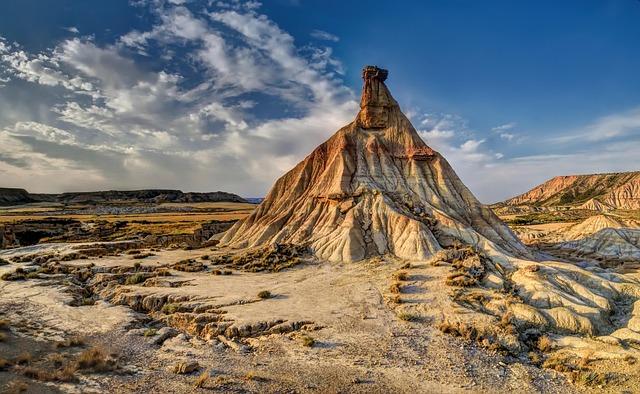
Spain is taking bold steps to redefine its tourism industry by actively involving residents and businesses in shaping the country’s 2030 Sustainable Tourism Strategy. As the global travel landscape evolves, Spain’s collaborative approach aims to balance economic growth with environmental stewardship and community well-being. This innovative initiative, highlighted in the Travel Tomorrow forum, seeks to position Spain as a pioneer in sustainable tourism, ensuring the sector’s resilience and positive impact for years to come.
Spain Engages Communities and Enterprises in Collaborative Tourism Planning
Spain is pioneering a novel approach to shape its future in sustainable tourism by actively involving both local residents and business leaders in the planning process. Through a series of interactive workshops, town hall meetings, and digital platforms, communities across the country are voicing their perspectives on how tourism can be developed responsibly. This bottom-up model encourages direct dialogue between stakeholders, leading to strategies that respect cultural heritage, safeguard natural resources, and enhance economic opportunities without compromising the integrity of local lifestyles.
Key collaborative pillars driving this initiative include:
- Integrating local knowledge into destination management
- Promoting eco-friendly business practices among small and medium enterprises
- Ensuring equitable benefits distribution within tourism zones
- Fostering innovation through public-private partnerships
| Stakeholder Group | Role in Planning | Anticipated Impact |
|---|---|---|
| Local Residents | Community feedback and cultural preservation | Enhanced social cohesion and heritage protection |
| Businesses | Adoption of sustainable models and innovation | Job creation and reduced carbon footprint |
| Government | Policy support and infrastructure development | Long-term economic resilience and environmental stewardship |
Innovative Approaches Drive Sustainable Development Goals for 2030
Spain is pioneering a collaborative model where residents and businesses actively participate in formulating the future of tourism, aligning with the 2030 Sustainable Development Goals. By integrating grassroots feedback with corporate initiative, this approach fosters inclusive innovation that empowers local communities and strengthens economic resilience. Key strategies focus on reducing environmental footprints, enhancing cultural preservation, and supporting equitable growth across urban and rural areas alike.
Central to the strategy is a dynamic framework encouraging continuous stakeholder engagement. This approach not only accelerates the adoption of green technologies but also champions educational programs designed to uplift both residents and entrepreneurs. The following core principles guide this effort:
- Community-Driven Planning: Inclusion of local voices in decision-making processes.
- Eco-Innovation: Adoption of sustainable infrastructure and renewable energy sources.
- Cultural Stewardship: Preservation and promotion of heritage alongside innovation.
- Economic Diversification: Support for small businesses and sustainable job creation.
| Initiative | Impact Area | 2025 Milestone |
|---|---|---|
| Local Green Markets | Economic & Environmental | 50% increase in vendor participation |
| Renewable Energy B&Bs | Energy & Tourism | 25% of accommodations certified |
| Cultural Heritage Tours | Social & Educational | Launch 100 community-led tours |
Key Recommendations for Aligning Local Interests with National Tourism Policies
To foster a cohesive framework where local communities thrive alongside national ambitions, Spain encourages proactive engagement through tailored platforms that prioritize transparent dialogue and shared objectives. Empowering grassroots initiatives and backing local entrepreneurs ensures that cultural authenticity and environmental stewardship become pillars of sustainable growth. This approach not only preserves unique regional identities but also aligns them with Spain’s broader 2030 sustainability targets, crafting a resilient and inclusive tourism model.
Collaboration is further enhanced by implementing strategic incentives and support systems designed to link small businesses and residents with national programs. Key measures include:
- Capacity-building workshops focused on sustainable business practices and digital innovation
- Financial grants and tax relief for projects that contribute to eco-friendly tourism infrastructure
- Community-led tourism councils that directly influence policy adjustments based on localized insights
| Local Needs | National Support | Expected Outcome |
|---|---|---|
| Preservation of cultural landmarks | Protected heritage funding | Boosted cultural tourism |
| Waste management improvements | Green technology grants | Cleaner, sustainable destinations |
| Training for small businesses | Skill development programs | Enhanced service quality |
Stakeholders Emphasize Transparency and Long-Term Environmental Commitments
As Spain moves forward with its 2030 Sustainable Tourism Strategy, stakeholders have underscored the importance of full transparency in environmental practices. Local residents, business leaders, and environmental groups alike insist on clear reporting mechanisms and open communication channels to monitor progress. This inclusive approach ensures accountability and fosters trust, enabling all parties to engage actively in the preservation of the country’s rich natural heritage while supporting economic growth.
Key commitments highlighted by the group include:
- Annual sustainability reports accessible to the public
- Long-term investment in renewable energy sources for tourism infrastructure
- Continuous education programs for local communities on environmental impact
- Promotion of circular economy principles within the tourism sector
| Commitment | Focus Area | Timeline |
|---|---|---|
| Transparency Reporting | Environmental Impact | Annual |
| Renewable Energy Integration | Infrastructure | 2025-2030 |
| Community Education | Engagement | Ongoing |
| Circular Economy Adoption | Business Practices | 2024-2030 |
Final Thoughts
As Spain embarks on its ambitious journey toward sustainable tourism by 2030, the collaborative efforts between residents, businesses, and policymakers signal a promising path forward. By fostering inclusive dialogue and innovative practices, the country aims not only to preserve its cultural and natural heritage but also to set a global benchmark for responsible tourism. With these initiatives gaining momentum, Spain is poised to demonstrate how community-driven strategies can shape a more sustainable and thriving travel industry for the future.