


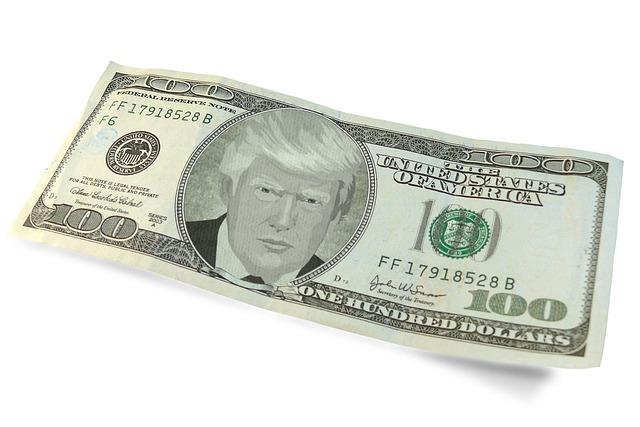
In a surprising move that escalates international tensions, former President Donald Trump has ordered a halt to all U.S. trade with Spain, citing concerns over Spain’s NATO defense spending and its dealings with Iran. The directive marks a significant shift in U.S. foreign and economic policy, as trade relations between the two longtime allies face unprecedented strain. This development raises questions about the future of transatlantic cooperation and the broader implications for global diplomatic and economic alliances.
Trump Directs Immediate Suspension of US Trade with Spain Citing NATO Spending Concerns
In a dramatic policy shift, former President Donald Trump has ordered an immediate suspension of all U.S. trade activities with Spain, citing Spain’s inadequate defense spending within NATO commitments as the principal cause. This decision underscores growing frustrations within segments of U.S. leadership about burden-sharing among NATO members. Trump emphasized that Spain’s defense outlays fall significantly short of the agreed-upon 2% of GDP threshold, which he asserts compromises the alliance’s collective security. Beyond defense, Trump also pointed to Spain’s ambiguous stance on Iran-related sanctions, hinting at broader geopolitical and economic consequences.
Key points highlighted by the Trump administration include:
- Defense Spending Gap: Spain’s current defense expenditure is reported at approximately 1.1% of its GDP, well below NATO guidelines.
- Trade Impact: Immediate cessation affects goods ranging from automotive to agricultural products, potentially disrupting established supply chains.
- Diplomatic Ramifications: Signals increased scrutiny of European allies’ foreign policy alignments, particularly in relation to Iran.
| Country | Defense Spending (% of GDP) | NATO Commitment |
|---|---|---|
| Spain | 1.1% | Below Target |
| United States | 3.5% | Exceeds Target |
| Germany | 1.3% | Approaching Target |
Analyzing the Impact of Trade Halt on US-Spain Economic Relations and Global Markets
The recent decision to suspend trade ties between the United States and Spain marks a significant turning point in bilateral economic relations. This move, driven primarily by concerns over Spain’s NATO defense contributions and its stance on Iran, introduces substantial uncertainty into cross-Atlantic commerce. Spanish exporters, particularly those in the automotive and agricultural sectors, now face immediate disruptions in supply chains and market access, potentially decreasing their competitiveness globally. Meanwhile, American companies heavily invested in Spain encounter stalled operations and increased risk, signaling a period of economic recalibration on both sides.
Market reactions have been swift, with global investors reassessing risk profiles associated with international trade tensions. Key repercussions include:
- Volatility in currency exchange rates, notably between the euro and the dollar
- Supply chain realignments, as businesses seek alternatives to circumvent halted trade flows
- Heightened geopolitical uncertainty, affecting investor confidence across multiple regions
| Sector | Spanish Export Impact | US Import Risk |
|---|---|---|
| Automotive | Reduced demand, shipment delays | Increased production costs |
| Agriculture | Loss of market share in US | Price volatility for consumers |
| Technology | Restricted component sourcing | Disrupted innovation partnerships |
Evaluating Iran’s Role in Heightening Tensions Leading to Trade Restrictions
The escalating tensions between the United States and Iran have had a profound impact on international trade policies, particularly influencing recent decisions related to sanctions and trade restrictions. Iranian activities in the Middle East, including its nuclear program and regional influence, have been deemed a significant threat by the U.S. administration, prompting a stringent stance. This has not only affected direct U.S.-Iran relations but also complicated interactions with allied nations, as Iran’s role in geopolitical conflicts triggers concerns over stability and security.
Key factors contributing to the trade restrictions include:
- Iran’s nuclear ambitions: The expansion and modernization of nuclear facilities have raised alarms at NATO and allied countries.
- Support of proxy groups: Iran’s backing of militias and factions in conflict zones has heightened regional instability.
- Sanctions avoidance tactics: Increasing efforts to bypass sanctions via complex trade networks have led to stricter enforcement measures.
| Aspect | Implication |
|---|---|
| Diplomatic Relations | Strained diplomatic ties between US and Iran complicate multilateral negotiations |
| Trade Networks | Heightened inspections and restrictions on shipping to prevent illicit trade |
| Regional Stability | Increased militarization and conflicts threaten global economic interests |
The ripple effects of Iran’s strategic maneuvers have directly impacted global allies, compelling the U.S. to re-evaluate its trade relationships not only with Iran but also with countries involved indirectly through alliances. This multifaceted challenge underscores the complexity of balancing economic interests with national security priorities in an increasingly volatile international landscape.
Policy Recommendations for Navigating Diplomatic and Economic Fallout from Trade Disruption
To mitigate the escalating tensions and economic repercussions caused by the abrupt US trade halt with Spain, policymakers must prioritize diplomatic engagement and structured negotiation channels. This involves reopening dialogue to establish clear benchmarks around NATO spending commitments and Iran-related policies, while simultaneously employing economic instruments such as targeted sanctions relief or trade incentives to encourage compliance and cooperation. Inter-agency coordination between trade, defense, and foreign affairs departments will be crucial in crafting a synchronized response that recalibrates alliances without sacrificing economic interests.
In parallel, economic resilience strategies must be implemented to soften the impact on affected industries and protect key supply chains. Recommendations include:
- Support packages for exporters and import-dependent businesses
- Diversification of trade partners to reduce overreliance on any single market
- Investment in domestic manufacturing capabilities to strengthen self-sufficiency
- Enhancing transparency with the public and private sectors about trade policy changes
| Policy Focus | Short-Term Action | Long-Term Goal |
|---|---|---|
| Diplomatic Dialogue | Initiate high-level talks with Spanish counterparts | Restore mutual trust and clear NATO spending paths |
| Economic Support | Provide emergency relief to impacted sectors | Build diversified trade networks |
| Trade Policy Transparency | Regular updates on trade restrictions & negotiations | Maintain stakeholder confidence and reduce market volatility |
In Retrospect
In summary, President Trump’s unprecedented directive to suspend US trade with Spain marks a significant escalation in tensions related to NATO spending and Iran policy. As this development unfolds, its implications for bilateral relations and broader transatlantic cooperation remain closely watched by policymakers and analysts alike. The coming weeks will be critical in determining whether diplomatic efforts can resolve the impasse or if further confrontations lie ahead.