


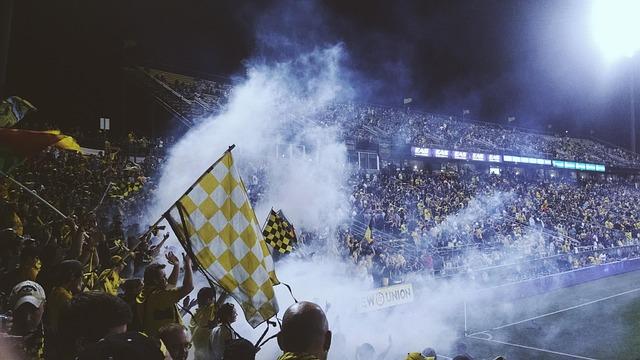
FIFA has confirmed the sanctions imposed following the Spain national football team’s match in Macau, where anti-Muslim chants by spectators drew widespread condemnation. The global football governing body’s decision to uphold the punishment highlights its continued commitment to combating discrimination and promoting inclusivity within the sport. This ruling marks a significant step in addressing the incidents that marred the event and serves as a reminder of football’s responsibility to uphold respect and equality on and off the field.
FIFA Confirms Sanctions Over Anti-Muslim Chants During Spain Match
FIFA has confirmed it will uphold disciplinary measures concerning the disturbing anti-Muslim chants that erupted during the recent Spain match, reinforcing its stance against discriminatory behavior in football. The sanctions, which include a fine on the Spanish Football Federation and a mandate for increased security protocols at future matches, serve as a clear message emphasizing zero tolerance toward any form of hate speech in the sport.
The governing body outlined several key points in its decision:
- Monetary fines imposed as a penalty for the incident.
- Mandatory educational programs for fans and teams on cultural sensitivity.
- Enhanced monitoring and stricter crowd control during international fixtures.
FIFA’s firm response highlights the ongoing challenges of eliminating prejudice from the game, showcasing its commitment to maintaining respect and inclusivity on and off the pitch.
Impact of Disciplinary Action on International Football Governance
FIFA’s decision to uphold sanctions against Spain following anti-Muslim chants during an international fixture highlights the organization’s unwavering commitment to eradicating discrimination from the sport. This move reinforces a precedent that tolerance and respect are non-negotiable, asserting clear consequences for violations of ethical standards. The sanction serves as a strong message to national teams and their supporters that FIFA will enforce disciplinary measures to maintain the integrity and inclusiveness of international football.
The ruling also impacts governance by compelling football associations worldwide to implement robust educational programs and stricter fan conduct policies. Ensuring compliance with FIFA’s anti-discrimination protocols now extends beyond punitive actions to proactive engagement. Key areas influenced include:
- Fan education initiatives to promote cultural sensitivity and respect.
- Stronger accountability mechanisms within national teams’ management structures.
- Enhanced monitoring systems during matches, utilizing advanced technologies.
| Disciplinary Area | Impact | Example Measures |
|---|---|---|
| Fan Behavior | Reduced incidents of abuse | Outreach programs, stadium announcements |
| Team Management | Greater oversight | Staff training, compliance checks |
| Matchday Operations | Improved surveillance | Video monitoring, fan segregation |
Detailed Review of UEFA and FIFA Protocols Against Discrimination
FIFA’s decision to uphold sanctions against anti-Muslim chants during the Spain match reaffirms the governing body’s stringent policies against discriminatory behavior in football. This move follows a comprehensive investigation into incidents reported by match officials and broadcasters, highlighting FIFA’s commitment to zero tolerance. The disciplinary measures include fines and possible stadium bans, designed not only to punish but also to educate fans and teams about the severity of discriminatory conduct.
The protocols enforced by both UEFA and FIFA emphasize immediate action and transparency. These include:
- Rapid response teams: Deployed to monitor and address discriminatory actions in real-time during matches.
- Mandatory reporting: Referees and officials must document incidents meticulously for disciplinary review.
- Fan education campaigns: Clubs and associations are encouraged to engage in community outreach aimed at promoting inclusivity.
- Progressive sanctions: Penalties range from warnings to match suspensions and hefty fines.
| Protocol Aspect | UEFA Approach | FIFA Approach |
|---|---|---|
| Incident Detection | Video monitoring + Official reports | Enhanced AI surveillance + Crowd monitoring |
| Immediate Action | Stop match for warnings | Stadium announcements + Temporary suspensions |
| Sanctions | Fines, Match bans | Fines, Stadium closures, Points deduction |
These protocols reflect a broader industry-wide push to eradicate discrimination, with FIFA taking a particularly firm stance in response to anti-Muslim chanting. The consistent enforcement underscores an evolving sports culture where respect and fairness are paramount.
Recommendations for Enhancing Fan Conduct and Stadium Monitoring Systems
To curb discriminatory behavior during international matches, stadiums must invest in state-of-the-art surveillance technologies combined with real-time monitoring systems. Integrating AI-powered facial recognition and audio analysis software can enhance the identification of offenders promptly, enabling swift security interventions. Additionally, training stewards to recognize subtle crowd dynamics and immediate reporting protocols can bridge the gap between technology and human oversight, ensuring a safer environment for all attendees.
Fan education campaigns targeting respect and cultural sensitivity are equally vital, emphasizing the consequences of offensive chants and actions. Collaborative efforts between football associations, local authorities, and fan groups can foster a culture of accountability. Implementing these measures can be summarized in the following table:
| Measure | Description | Expected Impact |
|---|---|---|
| Advanced Surveillance | Use AI and audio analysis for instant detection | Faster offender identification |
| Steward Training | Equip staff with crowd behavior insight | Proactive incident prevention |
| Fan Education | Campaigns promoting respect and consequences | Long-term behavioral change |
| Multi-Stakeholder Collaboration | Partnerships between associations, authorities, and fans | Unified approach to conduct enforcement |
In Conclusion
FIFA’s decision to uphold the punishment underscores the governing body’s ongoing commitment to combating discrimination and promoting respect within the sport. As football continues to unite diverse communities worldwide, enforcing strict measures against hate speech remains crucial in fostering an inclusive and respectful environment both on and off the pitch. The case serves as a reminder that intolerance will not be tolerated at any level of the game.