


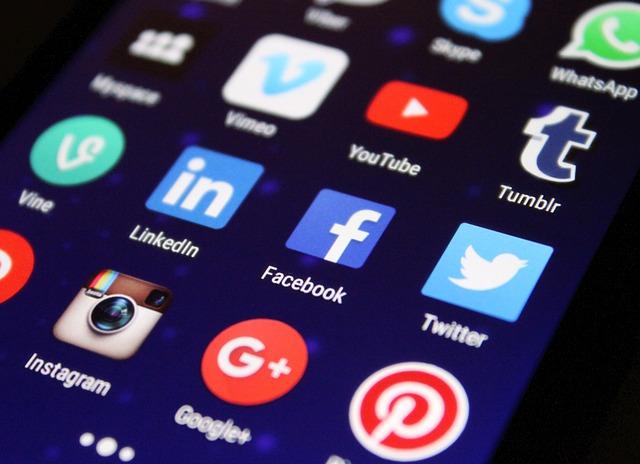
Spain has made headlines as the first country in Europe to implement a comprehensive ban on social media use for individuals under the age of 16. The groundbreaking legislation aims to protect young people from the potential harms associated with early and unchecked exposure to digital platforms. This move positions Spain at the forefront of youth digital regulation, sparking discussions across the continent about balancing online freedom with safeguarding mental health and privacy.
Spain Leads Europe in Protecting Youth with Under-16 Social Media Ban
In a groundbreaking move aimed at curbing digital exposure among minors, Spain has introduced legislation prohibiting children under the age of 16 from accessing social media platforms. This initiative, the first of its kind across Europe, seeks to address increasing concerns about online safety, mental health, and privacy challenges faced by younger generations. Spanish authorities argue that this policy will encourage healthier digital habits and protect vulnerable youth from harmful content and cyberbullying.
The ban mandates that social media companies implement robust age verification systems and significantly ramp up their efforts to monitor content directed at younger users. Key features of the legislation include:
- Mandatory age verification tools to prevent underage sign-ups
- Hefty fines for platforms failing to comply with regulations
- Enhanced transparency about data collection and usage from minors
- Collaboration with schools and parents to promote digital literacy
| Aspect | Policy Details |
|---|---|
| Age Limit | Under 16 banned from social media |
| Compliance Deadline | End of 2024 |
| Penalties | Fines up to €600,000 |
| Support Measures | Education and parental controls |
Experts Weigh In on Mental Health Implications of Early Social Media Use
Leading psychologists and child development experts argue that limiting exposure to social media during formative years may curtail rising rates of anxiety, depression, and attention disorders among youth. They emphasize that early social media use can disrupt critical cognitive and emotional growth processes, exposing children to unmoderated content and peer pressures at an age when resilience is still developing.
Key concerns raised by specialists include:
- Increased risk of cyberbullying and online harassment
- Distorted self-image and low self-esteem from constant social comparison
- Sleep disruption due to late-night screen use
- Reduced in-person social skills development
| Expert | Concern | Recommended Action |
|---|---|---|
| Dr. Maria López | Anxiety & Depression | Digital Detox Intervals |
| Prof. David Martín | Attention Deficits | Screen Time Limits |
| Dr. Sandra Ruiz | Self-esteem Issues | Parental Monitoring Tools |
Challenges and Enforcement Measures for Implementing the New Regulation
Implementing Spain’s groundbreaking ban on under-16s using social media platforms comes with a series of complex challenges. One of the primary obstacles is verifying the age of users accurately without compromising privacy. Social media companies will need to adopt robust age-verification technologies, but concerns over data security and potential circumvention remain. Additionally, cross-border issues arise as platforms headquartered outside Spain must comply with local legislation, creating jurisdictional enforcement dilemmas.
To address these challenges, the Spanish government plans a multi-tiered enforcement strategy focused on:
- Regular audits of social media companies to ensure compliance.
- Fines and sanctions for platforms that fail to implement effective age checks.
- Collaboration with tech firms to develop more sophisticated user authentication techniques.
- Public awareness campaigns to inform families about the new regulation.
| Enforcement Measure | Description | Expected Outcome |
|---|---|---|
| Mandatory Reporting | Platforms submit monthly compliance reports. | Increased transparency and accountability. |
| Penalties | Fines up to €1 million for non-compliance. | Stronger deterrence against violations. |
| Tech Partnerships | Joint development of age verification tools. | Improved detection of underage users. |
Recommendations for Parents and Educators Navigating Digital Safety Policies
As Spain pioneers a bold move to restrict social media access for under-16s, it becomes crucial for parents and educators to foster digital environments that prioritize safety without stifling communication. Open dialogue about online risks and responsible usage remains paramount. Encouraging children to share their online experiences helps adults identify potential threats such as cyberbullying and harmful content early on. Setting clear family rules around screen time and app usage can build a healthy digital routine, balancing connectivity and offline activities.
Educators can play a pivotal role by integrating digital literacy programs that empower students with critical thinking skills tailored for internet safety. Collaboration between schools and parents is essential, with both parties maintaining transparency about monitoring tools and privacy settings. Key strategies include:
- Regularly updating security software and parental controls on devices
- Teaching children to recognize misinformation and digital scams
- Encouraging respectful online behavior and empathy
- Creating safe channels for reporting distressing online encounters
| Stakeholder | Recommended Action |
|---|---|
| Parents | Establish screen time limits and open conversations |
| Educators | Implement digital literacy curriculum and workshops |
| Schools & Families | Coordinate on monitoring and privacy policies |
Insights and Conclusions
Spain’s landmark decision to ban social media access for under-16s marks a significant step in European digital regulation, setting a precedent for other countries grappling with the challenges of protecting young users online. As the law comes into effect, its impact on youth well-being and social media companies will be closely monitored, potentially influencing future policy across the continent. Spain’s move underscores the growing urgency of addressing the risks posed by early and unrestricted exposure to social media platforms.