




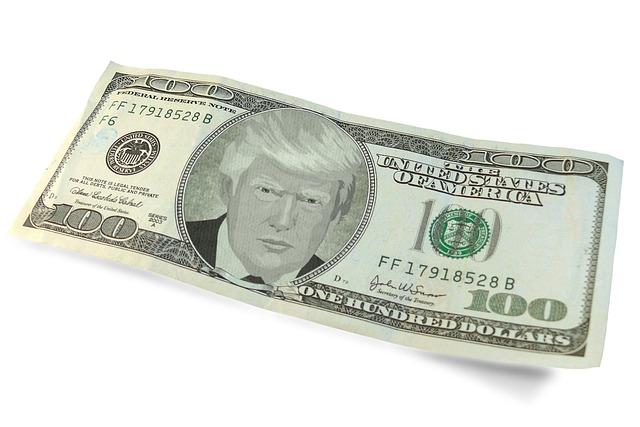
In a move that could reshape transatlantic commerce, former President Donald Trump has signaled potential plans to terminate trade agreements with Spain. Such a development, if enacted, threatens to disrupt the flow of key products between the two nations, with significant implications for businesses and consumers alike. This article examines which sectors and goods stand to be most affected by a sudden halt in trade relations, as well as the broader economic repercussions for both the U.S. and Spanish markets.
Potential Economic Fallout from a Trade Disruption Between the US and Spain
Disruption in trade relations between the US and Spain would not only stall the flow of goods but could also trigger significant economic repercussions on both sides of the Atlantic. The agricultural sector in Spain, notably olive oil, wine, and citrus fruits, stands to face immediate tariffs and export hurdles. American manufacturers and consumers could see price increases and supply shortages in essential categories like pharmaceuticals, tech components, and automobiles, given Spain’s role in these global supply chains. The upheaval could ripple through industries heavily reliant on Spanish imports, ultimately affecting employment rates and GDP growth in both nations.
Key sectors and products at risk include:
- Spanish olive oil and gourmet food exports
- American tech and automotive parts
- Pharmaceutical ingredients originating from Spain
- Tourism-related goods and services
| Sector | Primary Product | Potential Impact |
|---|---|---|
| Agriculture | Olive Oil & Wine | Export restrictions and rising tariffs |
| Manufacturing | Automotive Parts | Supply chain delays and cost increases |
| Pharmaceuticals | Raw Ingredients | Production disruptions and price hikes |
Key Spanish Exports Vulnerable to New Tariffs and Regulatory Barriers
Spanish exports stand to face significant disruptions amid the looming threat of new tariffs and stringent regulatory barriers. Among the most affected sectors are the automotive industry, with its intricate supply chains extending deeply into U.S. markets, and the highly competitive agricultural exports such as olive oil, wine, and citrus fruits — products synonymous with Spain’s trade identity. Increased tariffs could drive up costs for American consumers and stifle the lucrative trade flow that Spain has cultivated over decades.
Additionally, the textile and fashion industries, which rely heavily on seamless cross-Atlantic trade partnerships, could face complex new compliance demands and delayed shipments. The impact would not only ripple through Spanish manufacturers but also affect U.S. retailers stocking popular Spanish brands. The following table highlights critical Spanish exports potentially at risk and their approximate share of total U.S. imports from Spain:
| Export Category | Estimated U.S. Import Share | Potential Impact |
|---|---|---|
| Automotive Components | 35% | Tariff hikes, supply chain delays |
| Olive Oil & Wine | 25% | Price increase, market shrinkage |
| Fashion & Textiles | 15% | Regulatory hurdles, shipment disruption |
| Citrus Fruits | 10% | Export restrictions, demand decline |
Implications for American Industries Dependent on Spanish Imports
American manufacturers and retailers heavily reliant on Spanish imports could face considerable disruptions should trade ties be severed. Key sectors such as automotive parts, pharmaceuticals, and specialty foods may encounter immediate supply shortages, leading to increased production costs and delayed deliveries. For instance, the automotive industry often depends on Spain for precision components that are integral to assembly lines, while pharmaceutical companies source active ingredients critical for drug manufacturing.
Moreover, the ripple effect would extend beyond direct importers, potentially impacting:
- Small businesses: Many boutique retailers and specialty grocers depend on Spanish goods like olive oils, wines, and cheeses for their product lines.
- Food service industry: Restaurants serving Spanish cuisine or using authentic Spanish ingredients would struggle to maintain quality and authenticity.
| Industry | Critical Imported Goods | Potential Impact |
|---|---|---|
| Automotive | Precision engine parts | Production delays, increased costs |
| Pharmaceuticals | Active ingredients | Drug shortages, research setbacks |
| Food & Beverage | Olive oil, wine, cheese | Product scarcity, price hikes |
Strategies for Businesses to Mitigate Risks Amid Trade Uncertainty
In an environment where trade relationships are volatile, businesses must adopt agile and proactive approaches to safeguard their operations. Key steps include diversifying supply chains to reduce over-reliance on a single country, particularly when tariffs or trade embargoes loom. Companies should also invest in real-time market intelligence to anticipate regulatory changes and swiftly pivot strategies. Engaging with trade experts and leveraging digital tools to model potential scenarios can provide critical insights, enabling firms to make informed decisions without compromising agility.
Another vital measure is strengthening local partnerships and exploring alternative markets to offset potential losses. This strategic pivot not only cushions against shocks but can also open new avenues for growth. Additionally, businesses should review contractual agreements to include clauses that address trade disruptions, ensuring legal protection and clarity. The table below offers a concise overview of practical strategies and their expected benefits amid trade uncertainty:
| Strategy | Benefit |
|---|---|
| Diversify Supply Chains | Minimize single-market dependence |
| Invest in Market Intelligence | Enable proactive decision-making |
| Strengthen Local Partnerships | Expand alternative revenue streams |
| Update Contracts with Force Majeure Clauses | Improve risk allocation and legal clarity |
To Wrap It Up
As tensions mount over potential shifts in U.S.-Spain trade relations, industries on both sides stand to face significant uncertainties. Should President Trump move forward with ending trade agreements with Spain, key sectors ranging from agriculture to manufacturing could experience disruptions that ripple through the global economy. Stakeholders and policymakers alike will be closely monitoring developments, weighing the broader implications for international commerce and diplomatic ties. The coming weeks will be critical in determining the path forward and the stability of transatlantic trade partnerships.


