




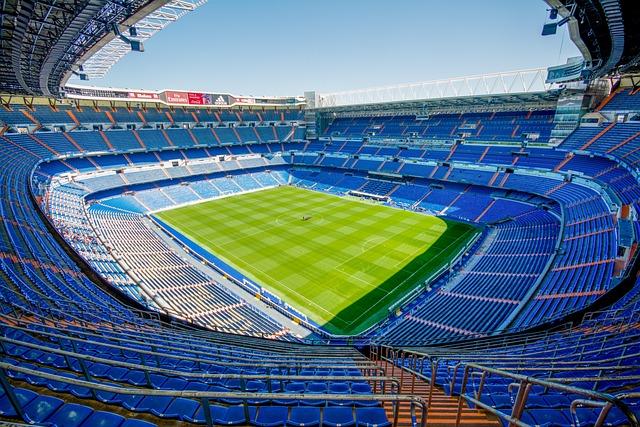
Spain’s recent performance in international football has sparked widespread analysis and debate, with particular attention on the implications of their latest exit from a major tournament. In the aftermath, Julian Nagelsmann, the renowned football manager, presented a compelling argument regarding the team’s approach and future prospects. This article delves into Spain’s example on the global stage and explores Nagelsmann’s insights following their unexpected elimination, shedding light on the broader impact for both players and coaching strategies.
Spain’s Tactical Masterclass Sets a Benchmark for Future Competitions
Spain’s recent display on the pitch has emerged as a blueprint for tactical excellence that coaches and teams worldwide will scrutinize for years to come. Showcasing a blend of high pressing, fluid positional rotations, and an unwavering commitment to possession-based play, their strategy was both innovative and deeply efficient. Key to their success was the seamless integration of youth and experience, facilitating rapid transitions between defensive solidity and attacking creativity that left opponents continuously off balance.
Experts highlight several critical elements that distinguished Spain’s approach:
- Advanced midfield control: Dominating territorial battles through precise passing and spatial awareness.
- Dynamic wing play: Utilizing width to stretch defenses and create scoring opportunities.
- Disciplined defensive shape: Maintaining compactness, minimizing counter-attack risks.
| Metric | Spain’s Performance | Competition Average |
|---|---|---|
| Possession (%) | 68 | 54 |
| Pass Accuracy (%) | 90 | 82 |
| Successful Presses per Game | 27 | 17 |
Nagelsmann Reflects on Key Lessons from the Exit and Team Performance
Julian Nagelsmann has openly acknowledged the valuable experience gained despite the abrupt exit, emphasizing the importance of resilience and adaptability. Drawing lessons from Spain’s methodical gameplay and tactical prowess, he highlighted how these elements should inform future preparations. “We must focus on strategic discipline and patience,” Nagelsmann remarked, underscoring how Spain’s calculated approach was a key factor in their success, something his team aimed to emulate but fell short of delivering under pressure.
- Tactical flexibility: Adapting swiftly to changing match dynamics was a focal point.
- Mental endurance: Maintaining composure during critical moments remains a challenge.
- Unity and communication: Lessons drawn from Spain’s cohesive unit on and off the ball.
To encapsulate the core performance metrics and their correlation to the outcome, Nagelsmann presented a concise review table demonstrating the stark contrasts between their team and Spain during key moments.
| Performance Aspect | Team’s Stats | Spain’s Stats |
|---|---|---|
| Possession % | 45% | 62% |
| Successful Passes | 380 | 525 |
| Shots on Target | 4 | 8 |
| Defensive Errors | 5 | 1 |
These figures reinforced Nagelsmann’s determination to build a team that not only competes technically but exhibits strategic maturity akin to Spain’s model. This introspective moment will likely guide the team’s trajectory in upcoming tournaments, focusing on tightening defensive lapses and enhancing possession control.
Analyzing Strategic Shortcomings and Areas for Improvement
In dissecting the recent exit, clear gaps in tactical execution and adaptability came to light. The team’s failure to adjust during critical moments suggested a lack of depth in contingency planning, a point emphasized by Nagelsmann in his post-match analysis. Positions that require fluid transitions, particularly in midfield, were unable to maintain control under pressure, leading to lost possession and vulnerability in defense. This tactical rigidity, juxtaposed with Spain’s dynamic and adaptive approach, highlighted a disparity in strategic foresight.
To address these shortcomings, focusing on the following areas could be pivotal moving forward:
- Enhancing midfield versatility to ensure greater control and connection between defense and attack.
- Implementing flexible game plans that can evolve mid-match, responding to the opponent’s tactics effectively.
- Improving communication and decision-making under high-pressure situations to reduce unforced errors.
| Aspect | Current Issue | Suggested Improvement |
|---|---|---|
| Midfield Control | Inconsistent ball retention | Better positioning and quick transitions |
| Game Adaptability | Rigid tactics | Flexible formations aligned to opposition |
| Defensive Coordination | Breakdowns under pressure | Enhanced communication and spacing |
Recommendations for Strengthening Team Cohesion and Tactical Flexibility
To forge a resilient and united squad, teams must prioritize consistent communication both on and off the pitch. This ensures all players remain aligned on objectives, no matter the tactics deployed by the opposition. Encouraging leadership from multiple players, rather than relying solely on one figurehead, can bolster accountability and drive collective responsibility throughout the lineup. Moreover, incorporating regular team-building exercises that challenge players to adapt and collaborate under pressure can significantly enhance mutual trust and understanding.
Tactical flexibility hinges on a blend of strategic preparation and spontaneous creativity. Coaches might benefit from implementing a modular training framework where players rotate through different positions and roles, learning to adjust swiftly without losing the team’s core structure. Here is a concise overview of actionable steps clubs can adopt:
- Dynamic scenario drills: Simulate diverse game states to hone adaptability.
- Data-driven performance reviews: Use analytics to identify successful tactical adjustments and areas for improvement.
- Integrated mental conditioning: Teach resilience techniques to maintain composure under high-stress situations.
- Cross-functional skill development: Encourage players to develop secondary skillsets beyond their primary roles.
| Focus Area | Benefit |
|---|---|
| Communication Workshops | Enhances on-field coordination |
| Position Rotation Sessions | Increases tactical versatility |
| Stress-Management Training | Improves decision-making under pressure |
Final Thoughts
As Spain reflects on its recent challenges and Nagelsmann makes his case following the exit, the broader football community is left to consider the lessons and strategies that emerge from this pivotal moment. The unfolding dialogue underscores the ongoing evolution within the sport, where experience and innovation constantly intersect. Yahoo Sports will continue to monitor these developments closely, bringing timely insights as teams and coaches navigate the path forward.


