




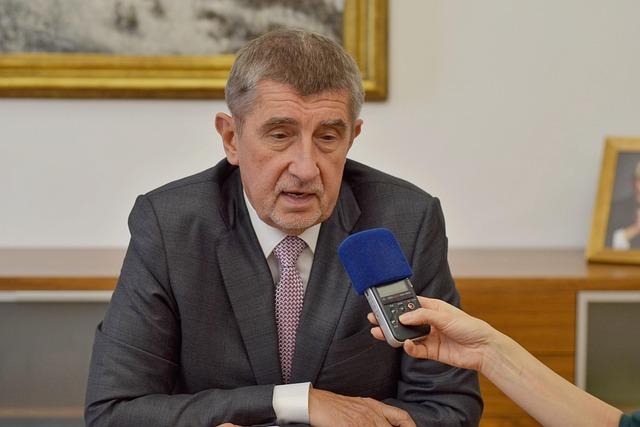
In a dramatic turn of events, Spain finds itself engulfed in a political tempest as corruption cases threaten the stability of its government. Recent raids and high-profile indictments have put Prime Minister Pedro Sánchez under intense scrutiny, drawing attention to allegations that could shake the very foundations of the ruling party. The investigation, reportedly linked to a web of corruption involving luxury jewelry and questionable financial practices, has spurred widespread public interest and concern over governance in the country. As authorities delve deeper into these claims, the implications for Sánchez’s administration and Spain’s political landscape are profound, prompting discussions on accountability and transparency at the highest levels of power.
Investigating the Allegations: A Deep Dive into Spain’s Political Scandals
As investigations intensify, Spain finds itself embroiled in a series of troubling scandals that intertwine with the highest echelons of its government. In a dramatic turn of events, law enforcement officials executed raids on several properties linked to prominent political figures. The allegations range from misappropriation of funds to money laundering and even bribery involving high-value assets, including luxury items. The inquiries have uncovered a tangled web of corruption that casts a shadow over the stability of Prime Minister Pedro Sánchez’s administration.
Key developments have arisen in the form of indictments against various party affiliates, igniting fierce debates within parliament and prompting calls for accountability and transparency. Notably, evidence has surfaced linking government representatives to illegal financial transactions that include the procurement of extravagant jewelry and other lavish expenditures purportedly financed with public funds. This ongoing scrutiny raises significant questions about ethical governance in Spain, leading to a broader discussion regarding the mechanisms in place to curb such abuses. As the situation unfolds, the outcome of these investigations could very well determine the political future of the nation.
| Allegation Type | Key Figures Involved | Status |
|---|---|---|
| Bribery | Unnamed Minister | Under Investigation |
| Money Laundering | Local Councilor | Charged |
| Misappropriation of Funds | High-Ranking Official | Pending Trial |
The Role of Jewelry in Corruption: Unpacking the Evidence Against the Prime Minister
The recent raids and investigations surrounding Spain’s Prime Minister have brought to light the extravagant world of jewelry that may hold key evidence in ongoing corruption allegations. Authorities are scrutinizing a *luxurious collection* that reportedly includes rare pieces worth millions, raising questions about the source of these riches. Observers have noted that the prime minister’s affinity for high-end accessories could be linked to illicit dealings, as many of these items are believed to have been acquired in questionable circumstances. Not only do these treasures symbolize wealth, but they also serve as potential breadcrumbs leading back to the heart of the allegations against him.
As the legal landscape unfolds, analysts are piecing together the implications of this ornamental evidence. The connection between jewelry and corrupt practices can often be subtle yet telling. Factors include:
- Value Discrepancies: The appraised values of these pieces compared to existing financial disclosures.
- Transaction Origins: The provenance of the jewelry, including any links to known associates involved in shady business transactions.
- Gifts or Bribes: Speculation regarding whether these items were acquired as gifts or as forms of bribery.
The ongoing inquiry continues to unravel a complicated web of connections that may expose not just financial improprieties but also the ethical standards of the nation’s highest office. As the investigations proceed, the implications of what lies within this glittering collection could reshape the political landscape in Spain.
Legal Implications of Indictments: What This Means for Spain’s Political Landscape
The recent surge in indictments against high-ranking officials has profound implications for the political landscape in Spain. As investigations unfold, the ramifications could reshape the power dynamics within the ruling party and potentially lead to shifts in voter sentiment. Key issues that arise from these indictments include:
- Government Legitimacy: Eroding trust in political institutions may prompt calls for accountability and transparency.
- Crisis Management: The handling of these indictments could strain party unity and challenge leadership’s stability.
- Public Reaction: Voter backlash may push the electorate towards opposition parties, reshaping the political landscape in upcoming elections.
Furthermore, the legal battles stemming from these corruption cases could lead to significant legislative gridlock, impacting crucial reforms and policies. The situation necessitates a closer examination of how corruption allegations can influence legislative priorities. In light of this, consider the following potential outcomes:
| Outcome | Potential Impact |
|---|---|
| Increased Scrutiny | More rigorous checks on government expenditure and accountability measures. |
| Political Fragmentation | Emergence of new parties or coalitions as disillusioned voters seek alternatives. |
| International Reputation | Strain on Spain’s image abroad, affecting foreign relations and trade. |
Reforming Governance: Recommendations for Transparency and Accountability in Spanish Politics
The recent wave of corruption allegations in high-ranking Spanish politics underscores the urgent need for comprehensive reforms aimed at enhancing transparency and accountability within governance structures. The scrutiny facing the Prime Minister reveals a broader pattern highlighted by numerous cases involving public officials, raising questions about ethical conduct and the integrity of political institutions. The potential implementation of legislative measures can serve as a cornerstone in restoring public trust. Key recommendations include:
- Strengthening oversight bodies to ensure independent investigations into corruption allegations.
- Mandatory disclosures of financial assets for public officials to enhance accountability.
- Implementing whistleblower protection laws to encourage reporting of misconduct without fear of retaliation.
Simultaneously, fostering a culture of transparency requires leveraging technology to promote open governance. Digital platforms can facilitate citizen engagement by providing accessible data on governmental spending and decision-making processes. Additionally, establishing regular public forums can enhance dialogue between officials and constituents, further empowering citizens. The following table illustrates potential digital tools for promoting transparency:
| Tool | Purpose |
|---|---|
| Open Data Portals | Access to government data for public analysis. |
| Online Reporting Platforms | Facilitate whistleblowing on corruption and misconduct. |
| Public Consultation Websites | Encourage citizen feedback on policies and initiatives. |
Closing Remarks
In conclusion, the ongoing legal challenges confronting Spain’s Prime Minister highlight the complex interplay of politics and justice in a nation grappling with allegations of corruption. As raids and indictments unfold, the ramifications extend beyond the individual figures involved, touching on broader issues of governance and public trust. The future of Spain’s leadership hangs in the balance, as the nation watches closely to see how these developments will shape the political landscape. With investigations still underway, the coming months will be crucial in determining accountability and the potential for reform. As this story continues to evolve, one thing remains clear: the quest for transparency and integrity in government is more pressing than ever.


