




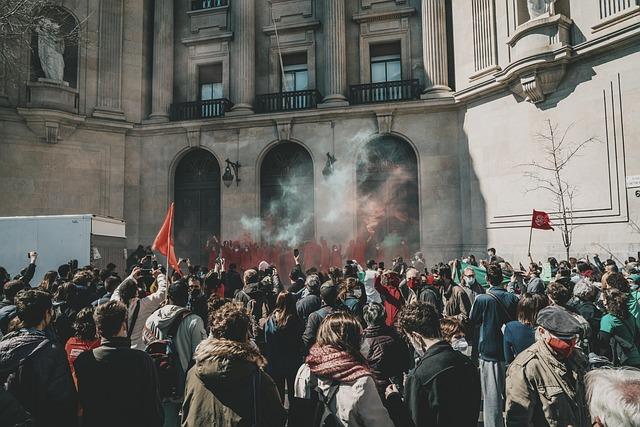
Tensions have risen in Spain as thousands of students, teachers, and parents took to the streets this week to protest recent changes in the country’s education policy. The demonstrations, covered extensively by Goshen News, highlight widespread concerns over funding cuts, curriculum reforms, and teacher working conditions. This article delves into the key issues fueling the unrest and the responses from government officials, offering an in-depth look at one of Spain’s most significant education movements in recent years.
Spain Education Protest Draws Nationwide Attention Amid Policy Disputes
Across Spain, tens of thousands of students, teachers, and parents have taken to the streets, signaling widespread discontent with the government’s recent education reforms. The primary grievances focus on proposed budget cuts, changes in curriculum standards, and debates over language policies in classrooms. Educational unions have organized coordinated strikes, highlighting concerns that these policy shifts could undermine the quality of public education and increase inequalities among communities.
The movement’s demands are clear and multifaceted:
- Increased funding to ensure adequate resources and fair wages for educators
- Preservation of local language programs, respecting Spain’s diverse cultural heritage
- Greater transparency in decision-making processes regarding curriculum development
- Inclusive policies that address disparities affecting marginalized student groups
| Key Stakeholders | Position | Primary Concern |
|---|---|---|
| Teachers’ Unions | Oppose | Budget cuts and workload increase |
| Students | Support | Quality education and curriculum inclusivity |
| Government Officials | Defend | Need for reform and austerity measures |
| Parents’ Associations | Mixed | Education standards vs. financial sustainability |
Teachers and Students Unite Demanding Comprehensive Reforms in Public Education
In an unprecedented display of solidarity, thousands of teachers and students from across Spain took to the streets this week, calling for sweeping changes in the public education system. The demonstration spotlighted critical issues such as outdated curricula, overcrowded classrooms, and chronic underfunding that hinder both teaching and learning experiences. Protesters held banners demanding increased investment, modernization of school infrastructure, and a reevaluation of standardized testing methods — highlighting the urgency to adapt education to 21st-century challenges.
The movement showcased a unified front, with key demands including:
- Smaller class sizes to enhance student engagement and individualized attention
- Enhanced teacher training programs focused on innovative pedagogical approaches
- Greater mental health resources available within schools
- Transparent resource allocation and increased community involvement in policy decisions
| Issue | Current Impact | Proposed Reform |
|---|---|---|
| Class Size | Up to 35 students per class | Reduce to 20 students per class |
| Funding | Insufficient for tech upgrades | Allocate 15% more annually |
| Teacher Training | Outdated methods | Continuous professional development |
Government Responses and Proposed Solutions to Address Protesters Concerns
The Spanish government has taken a multi-faceted approach to quell the ongoing unrest among educators, students, and parents. Key proposals include increasing funding for public schools to improve infrastructure and reduce classroom sizes, along with plans to revise the national curriculum to better align with modern pedagogical standards. Officials have also emphasized the expansion of teacher training programs, aiming to enhance both quality and retention within the profession. Additionally, several regional governments have promised to engage in direct dialogue with protest leaders to address specific local grievances and build trust.
Among the proposed solutions under consideration are:
- Salary adjustments to reflect inflation and workload increases
- Implementation of mental health support services in schools
- Increased transparency in budget allocation for education
- Incentives for teachers in underserved and rural areas
| Proposal | Expected Impact | Timeline |
|---|---|---|
| Funding Boost | Improved facilities and resources | Q3 2024 |
| Curriculum Overhaul | Updated learning standards | 2025 Academic Year |
| Teacher Salary Revision | Higher retention rates | Q4 2024 |
| Mental Health Programs | Better student wellbeing | Mid-2024 rollout |
Community Impact and Expert Recommendations for Sustainable Educational Change
Local communities across Spain have voiced overwhelming support for the education protest, recognizing it as a pivotal moment in advocating for long-lasting, positive reforms in the country’s educational landscape. Parents, students, and educators alike emphasize the immediate need to address inequalities widening due to budget constraints and outdated curricula. Community leaders highlight three core priorities for reform that would foster inclusivity and quality education nationwide:
- Increased investment in public schools, focused on infrastructure and digital resources.
- Strengthening teacher training programs to match evolving pedagogical standards.
- Enhanced support services for marginalized and rural student populations.
Experts in education policy have weighed in with practical recommendations that align closely with community aspirations. According to Dr. Lucia Fernández, a leading educational strategist, collaborative governance models involving stakeholders at all levels can accelerate meaningful change. A notable example is the integration of local school councils empowered to tailor programs to their unique demographics. Below is a simplified framework illustrating these recommendations:
| Recommendation | Expected Impact |
|---|---|
| Decentralized decision-making | Greater responsiveness to local needs |
| Curriculum modernization | Improved student engagement and skills relevance |
| Ongoing professional development | Enhanced teacher effectiveness and retention |
The Conclusion
As the education protests in Spain continue to capture headlines, the coming weeks will be critical in shaping the future of the country’s educational policies. Stakeholders from educators to government officials remain locked in dialogue, seeking solutions that address the core demands of demonstrators. Observers and citizens alike will be watching closely to see how these developments unfold, with significant implications for Spain’s educational landscape and social stability. Goshen News will continue to monitor this story and provide updates as they become available.


